

Cappadocia’s history is visible in its volcanic landscape, where erosion shaped valleys and pinnacles and people carved homes, churches and underground settlements into the rock. Around Göreme, the Open Air Museum brings together church architecture and paintings that trace centuries of monastic life.
- Setting: Göreme National Park and the Rock Sites of Cappadocia, on the Central Anatolian plateau.
- From Center Cave, Göreme Open Air Museum is about a 5-minute drive.
- The museum describes a period of intensive monastic life from the 4th through the 13th century.
- It is open every day; check the official site before you go for current hours and ticket details.
How did Cappadocia’s landscape shape settlement?
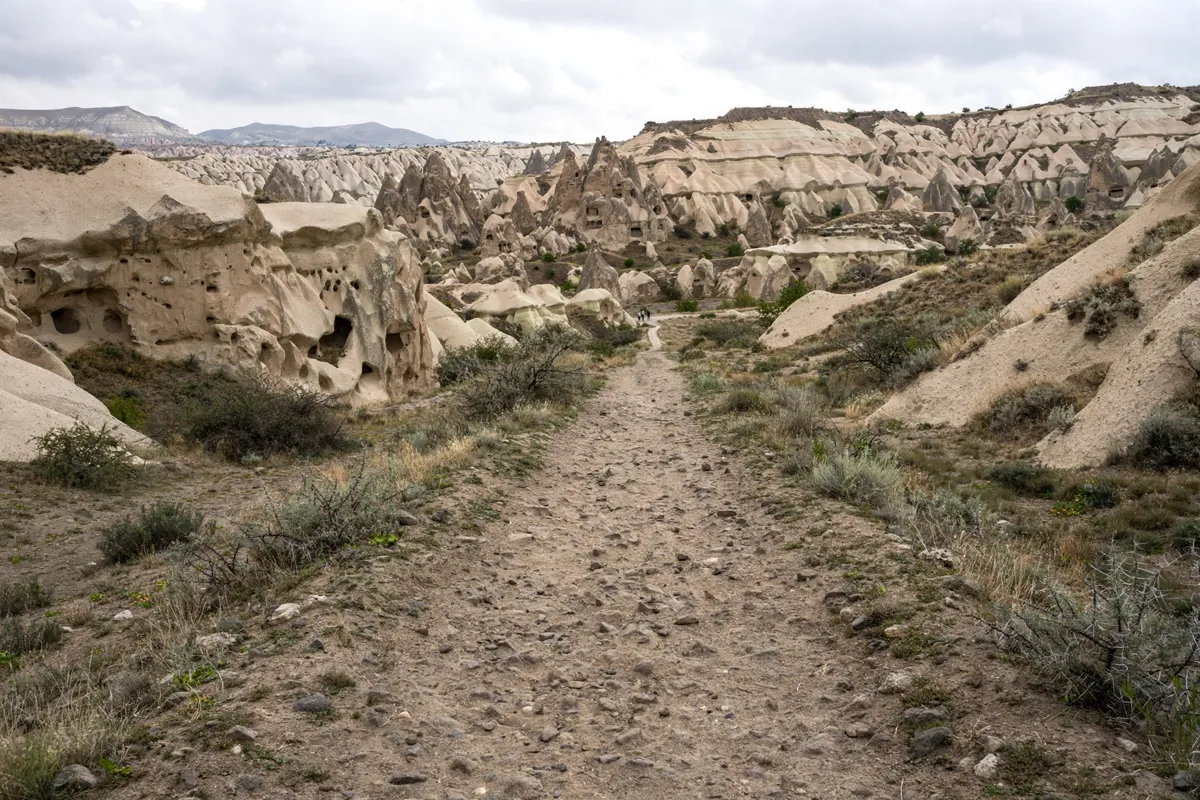
Cappadocia’s volcanic rock and long erosion shaped both the region’s distinctive scenery and the places people built within it. Ridges, valleys and pointed formations—often called fairy chimneys or hoodoos—form the setting for dwellings carved into rock.
The UNESCO World Heritage property extends beyond Göreme National Park. It includes the underground cities of Kaymaklı and Derinkuyu, as well as rock sites and settlements in several parts of the region. Remains of dwellings, troglodyte villages and underground towns show a traditional human habitat dating back to the 4th century.
These sites reflect different ways of adapting to the same landscape: settlements and religious spaces shaped by the rock itself, alongside underground towns. The region’s history is therefore not confined to a single museum or valley.
What can you learn from rock-cut churches around Göreme?
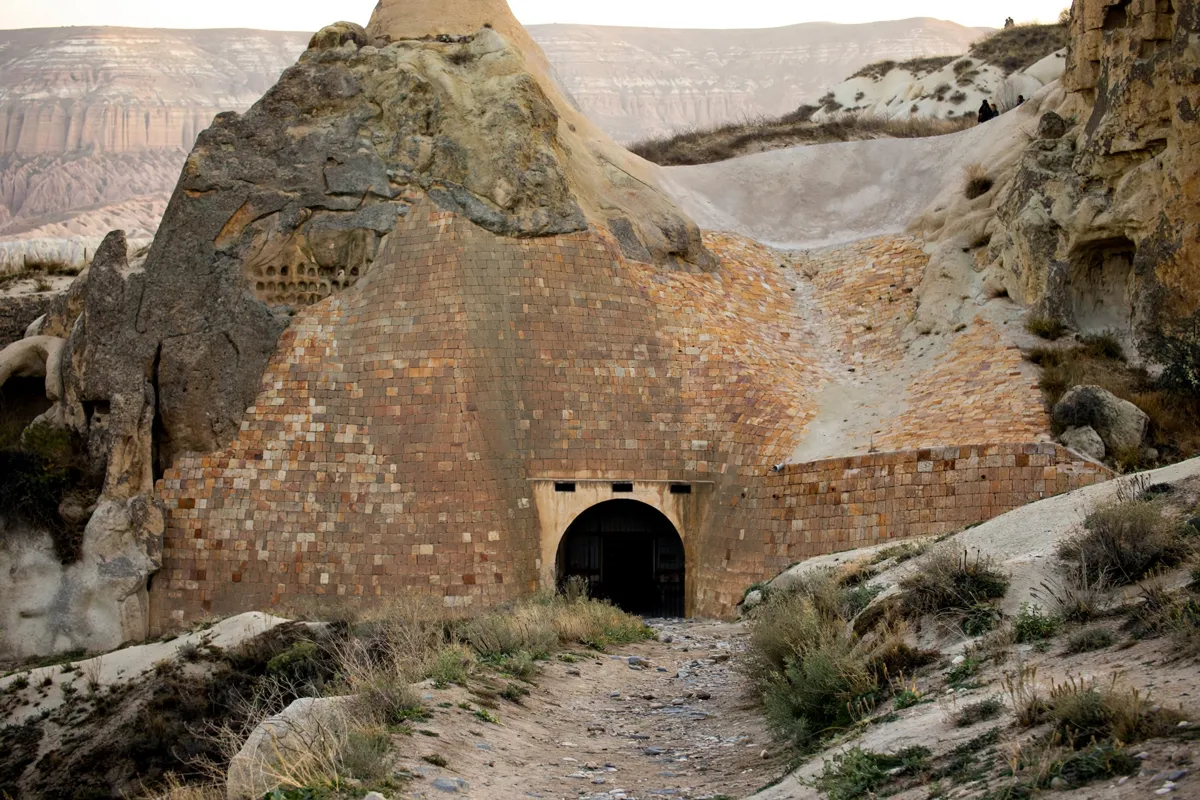
Göreme’s rock-cut churches chart the development of monastic life and Byzantine art across several centuries. UNESCO places the first signs of monastic activity in Cappadocia in the 4th century, when small anchorite communities began living in rock-cut cells.
During the Iconoclastic period, from 725 to 842, Cappadocian monasticism became established. Many sanctuaries from this era used few symbols, often relying on sculpted or painted crosses. After 842, many churches were created with bright figurative paintings.
UNESCO dates Tokalı and El Nazar churches to the 10th century, St. Barbara and Saklı churches to the 11th, and Elmalı and Karanlık churches to the end of the 12th or beginning of the 13th century.
Together, these churches provide evidence of Byzantine art after the Iconoclastic period. The rock-cut homes, villages, convents and churches also preserve traces of a Byzantine province between the 4th century and the arrival of the Seljuk Turks in 1071.
For more about the churches, access and practical visiting details, see this guide to Göreme Open Air Museum.
What can you see at Göreme Open Air Museum?
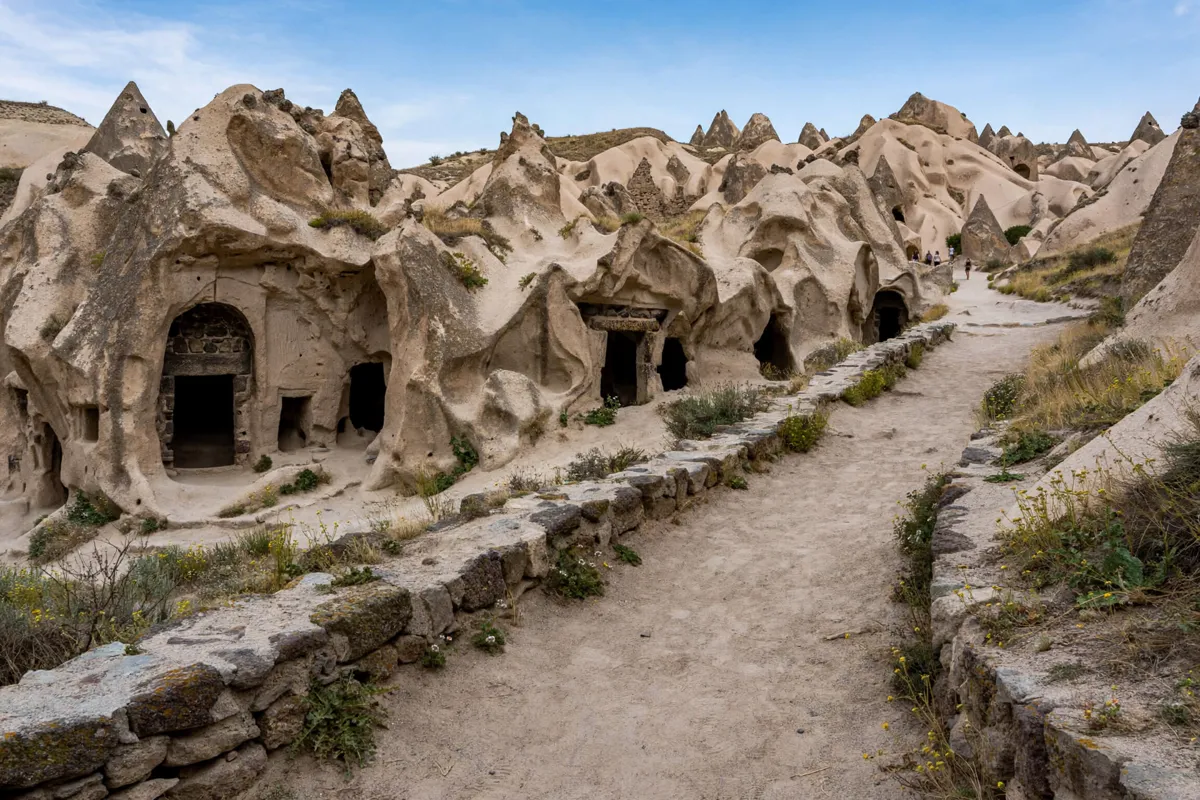
The Turkish Ministry of Culture and Tourism describes Göreme Open Air Museum as a rock settlement where monastic life flourished from the 4th through the 13th century. Places you can see include the Girls’ and Boys’ Monastery, St. Basil’s Church, Elmalı Church, St. Barbara’s Church, Yılanlı Church, Karanlık Church, Çarıklı Church and Tokalı Church.
Opening hours
- Monday to Wednesday and Friday to Sunday: 8:00–22:00
- Thursday: 7:00–22:00
Last checked November 2026. Hours can change on holidays and for special events.
Look at how the decoration changes across the churches. The first paint layers include geometric designs used in early Christianity; later frescoes depict scenes from the Bible and the life of Jesus. This progression gives the site a visual record of changing religious art, alongside the buildings carved into the rock.
The museum is open every day from 08:00 to 18:45, with the ticket office also closing at 18:45. Night museum visits are available every day from 19:00 to 23:00, and the ticket office closes at 22:30. An audio guide is available.
Turkish citizens can use MüzeKart; eligible holders with an open Turkish Republic identity number can buy a night museum ticket for 200 TL in addition to their card’s admission rights. Hours and ticket arrangements can change, so check the official site before you go.
How can you approach the region’s heritage respectfully?
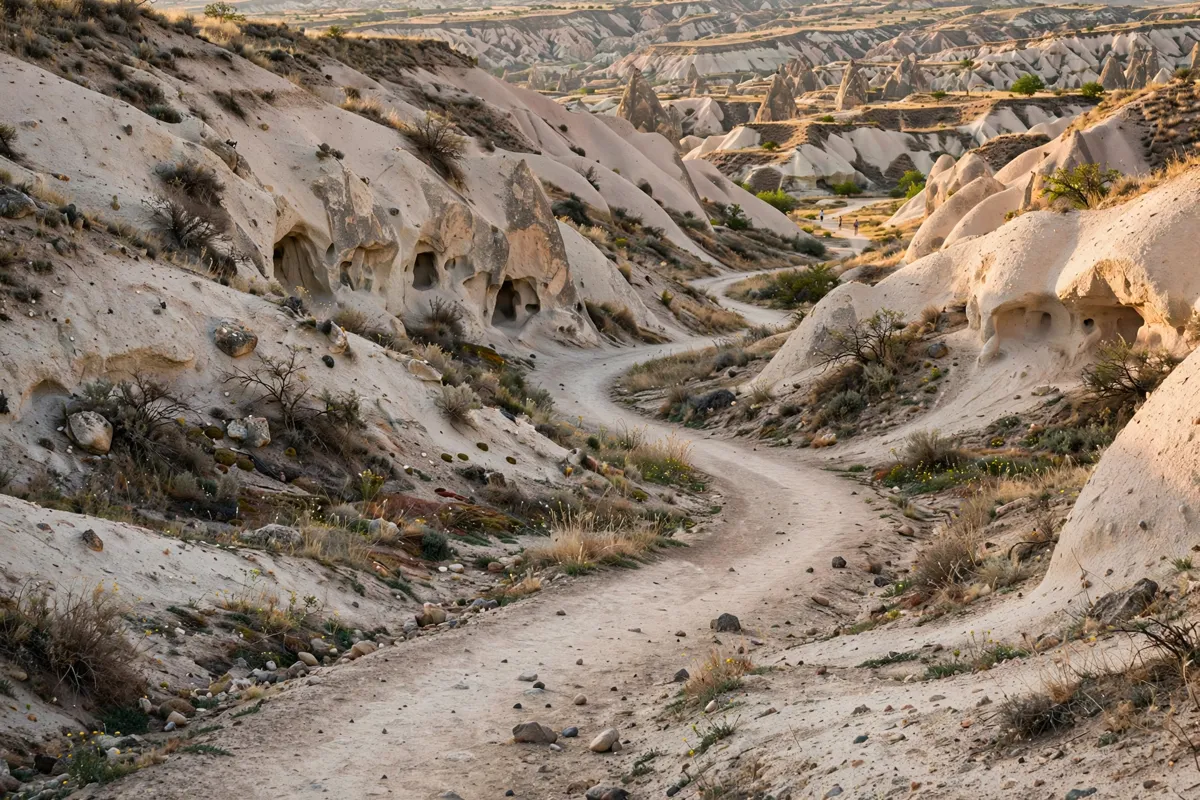
Cappadocia’s rock-cut heritage is protected, but UNESCO identifies natural erosion, tourism overuse, vandalism and development pressure as threats to the cultural features. The heritage property is protected under Türkiye’s Protection of Cultural and Natural Resources Act No. 2863 and National Parks Act No. 2873.
Marked trekking routes run around the valley, and nearby villages include Ürgüp, Avcılar, Uçhisar, Çavuşin and Yeni Zelve. Keep to marked routes and avoid touching or damaging the carved structures and painted surfaces.
For a broader look at underground settlement, compare the histories of Kaymaklı and Derinkuyu, both part of the UNESCO World Heritage property.
FAQs
How old are the rock-cut churches around Göreme?
UNESCO dates some churches to the 10th century and others to the 11th or the end of the 12th and beginning of the 13th century. Monastic activity in Cappadocia is believed to have begun in the 4th century.
What is included in the Göreme Open Air Museum?
Open daily. The museum includes rock-cut monastic buildings and churches, among them Tokalı, Elmalı, St. Barbara’s, Karanlık and Çarıklı churches, as well as the Girls’ and Boys’ Monastery.
Are underground cities part of Cappadocia’s history?
Yes. The UNESCO World Heritage property includes the underground cities of Kaymaklı and Derinkuyu, along with Göreme National Park and rock sites and settlements elsewhere in the region.